
 March 31, 2022
 In the midst of a Covid-19 flare-up and almost two calendar years into the pandemic, England last week dropped all its protective measures against the spread of the virus. In doing so, it is following the lead of countries like Denmark, Switzerland, and the Dominican Republic, which have removed legal requirements to self-isolate after a positive test.
In these countries, there is no longer a support net that enables people to avoid financial penalties if they fall ill. Until now in England, employees have been able to claim statutory sick pay (SSP) from the first day of illness, which amounts to £96.35 ($127) a week. In a similar approach, countries like Estonia, Latvia, Portugal, Sweden, and France waived waiting periods for sick pay and sickness benefits to fight the spread of the virus.
With Covid-19 infection levels in some areas of the UK at their highest since the pandemic began, the government's decision to drop restrictions is problematic. UK prime minister Boris Johnson's advice to cope with these changes was to "be more disciplined about not going into work when you are sick." He encouraged Britons to break a lifelong habit of presenteeism and be more like German workers. Except Germans receive 100 percent of their pay for eight weeks if they fall ill, representing one of the highest sick-pay rates in Europe. Britons get the lowest. In the US, where the government is under pressure to drop Covid-19 restrictions and mask mandates, there is no statutory sick pay at all.
Today's job picks Software Engineering Manager Indeed Software Security Test Engineer Dyson
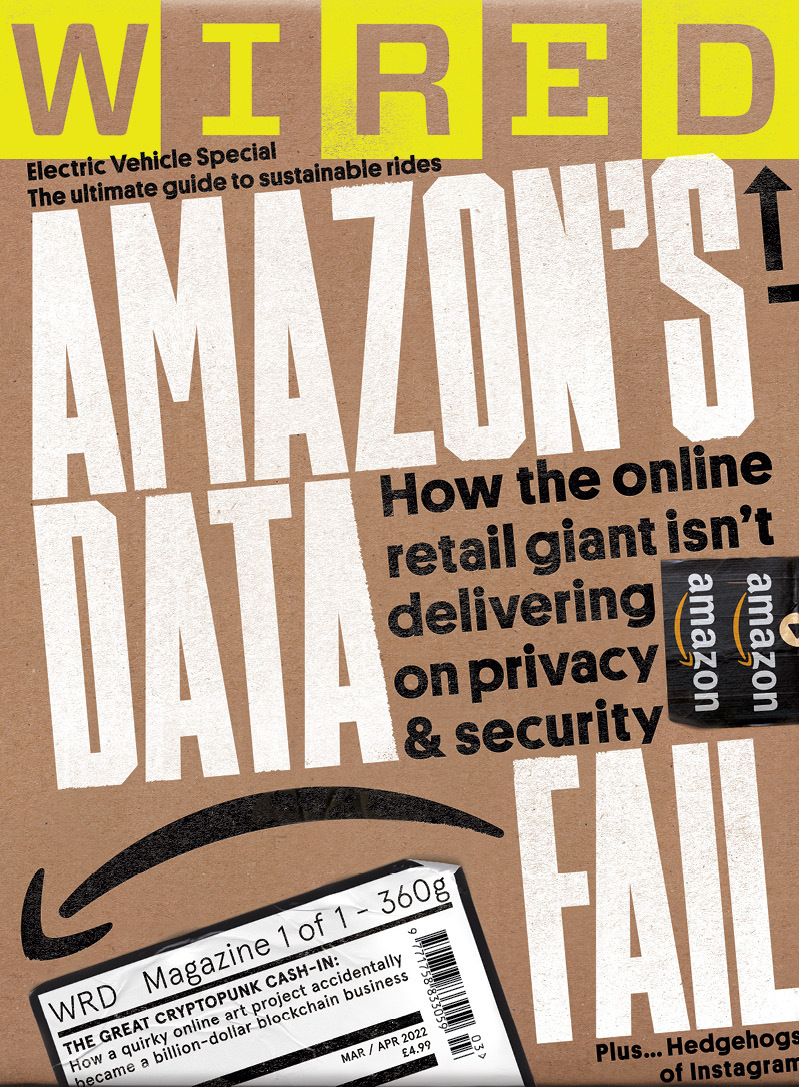 Get the latest issue of WIRED
Data scattered everywhere. Internal voyeurs. Sabotaged accounts. Read all about Amazon's big data privacy fail.
Also in this issue...
Unsubscribe | View this email in your browser |



Comments
Post a Comment